
The Ultimate Guide to Choosing the Ideal Deep Frying Oil
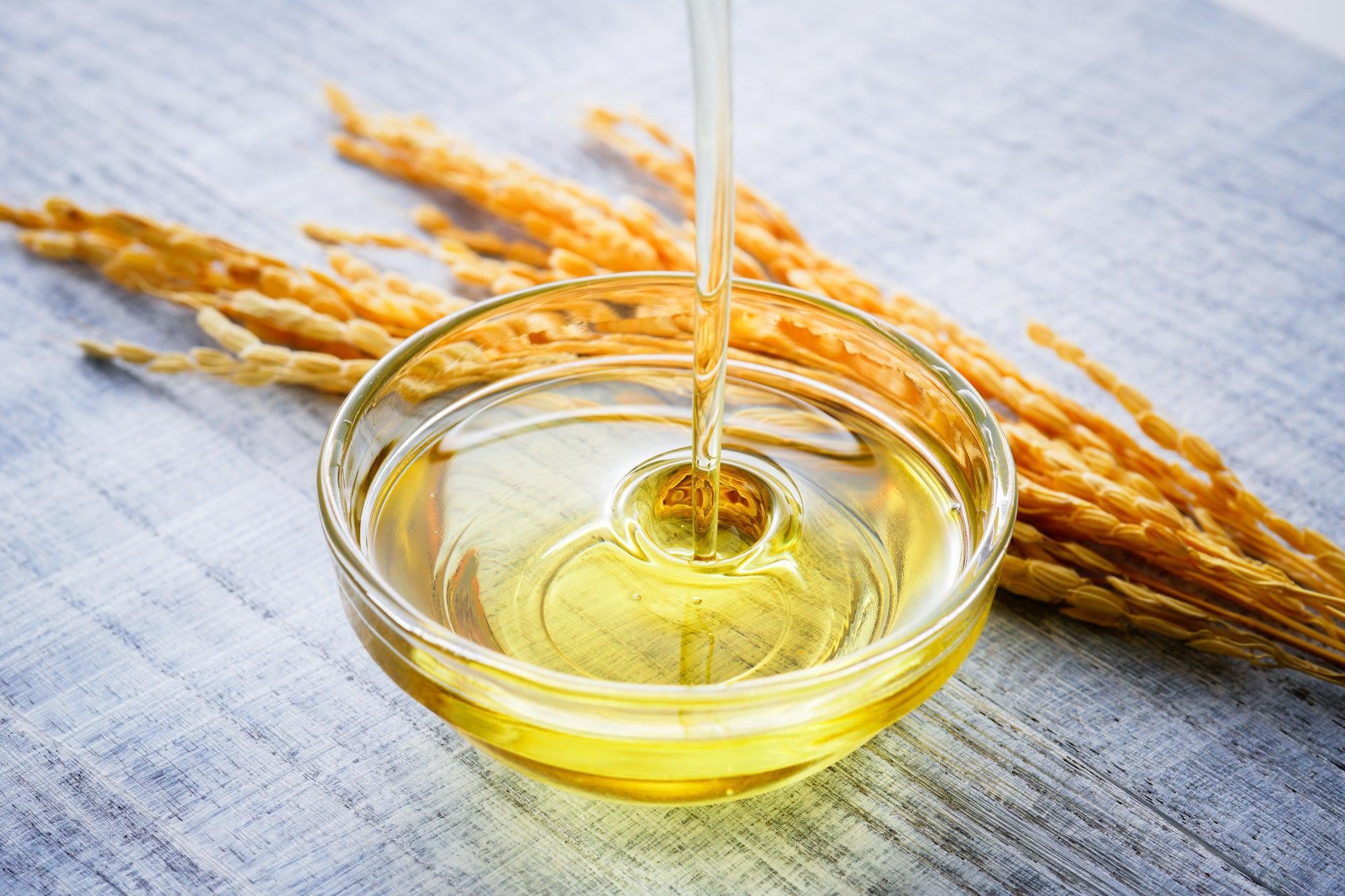
Deep frying is an art, a culinary technique that transforms humble ingredients into crispy, golden masterpieces. To achieve that perfect crunch, selecting the ideal deep frying oil is paramount. Not all oils are created equal, and choosing the right one can elevate your frying game to gourmet levels.
Smoke Point Matters
When it comes to deep frying, the smoke point of an oil is a critical factor. The smoke point is the temperature at which oil begins to smoke and break down, releasing harmful free radicals and imparting a bitter taste to your food. The ideal deep frying oil should have a high smoke point, allowing you to fry at high temperatures without compromising the flavor or safety of your dish.
Some of the top contenders in this category include:
- Peanut Oil: With a smoke point of around 450°F (232°C), peanut oil is a favorite among chefs for its ability to withstand high temperatures. Its neutral flavor also ensures that the taste of your food remains untainted.
- Canola Oil: Boasting a smoke point of 400°F (204°C), canola oil is another excellent choice. It’s also low in saturated fats, making it a healthier option for deep frying.
- Sunflower Oil: This oil has a smoke point of approximately 440°F (227°C). Its light flavor and high smoke point make it a versatile option for various deep-fried delights.
Flavor Profile
While the smoke point is crucial, the flavor of the oil can also influence the final taste of your fried creations. The ideal deep frying oil should complement, not overpower, the food. For instance:
- Peanut Oil: Its subtle nutty flavor can enhance certain dishes like fried chicken or tempura.
- Sunflower Oil: Known for its mild taste, it allows the flavors of your ingredients to shine through, making it a preferred choice for frying fish and vegetables.
- Canola Oil: Its neutral taste makes it a versatile oil that pairs well with a wide range of fried foods.
Health Considerations
Health-conscious cooks often seek oils that provide nutritional benefits without sacrificing frying quality. The ideal deep frying oil should have a balanced fatty acid profile and minimal trans fats.
- Olive Oil: Extra light olive oil, with a smoke point of 468°F (242°C), is an excellent option. It’s rich in monounsaturated fats, which are heart-healthy and can withstand the heat of deep frying.
- Avocado Oil: This oil has an impressive smoke point of 520°F (271°C). It’s loaded with beneficial monounsaturated fats and has a buttery flavor that can add a unique twist to your fried dishes.
Cost and Availability
The ideal deep frying oil should also be cost-effective and readily available. While premium oils like avocado and olive oil offer numerous benefits, they can be pricey. For those frying in large quantities or on a budget, more affordable options like canola and peanut oil are practical choices that do not compromise on quality.
Environmental Impact
In today’s eco-conscious world, the environmental footprint of our culinary choices cannot be ignored. Some oils are more sustainable than others.
- Palm Oil: While palm oil has a high smoke point and is economical, its production is often linked to deforestation and habitat destruction. Opting for sustainably sourced palm oil can mitigate these concerns.
- Sunflower and Canola Oils: These oils typically have a lower environmental impact compared to palm oil. They are widely cultivated and processed, making them more sustainable options.
Versatility
The ideal deep frying oil should also be versatile enough to use in a variety of cooking methods beyond deep frying. Oils like canola, sunflower, and peanut oil can seamlessly transition from frying to sautéing, baking, and even salad dressings, providing value and convenience in the kitchen.
Conclusion
In conclusion, selecting the ideal deep frying oil involves a delicate balance of factors, including smoke point, flavor, health benefits, cost, availability, and environmental impact. Peanut oil, canola oil, sunflower oil, olive oil, and avocado oil all present compelling options, each with its unique advantages. By considering these elements, you can ensure that your deep-fried creations are not only delicious but also healthier and more sustainable. So, the next time you fire up the fryer, remember that the oil you choose can make all the difference in achieving that perfect, crispy bite.