
Ultimate Italian Food Guide: From Pizza to Pasta
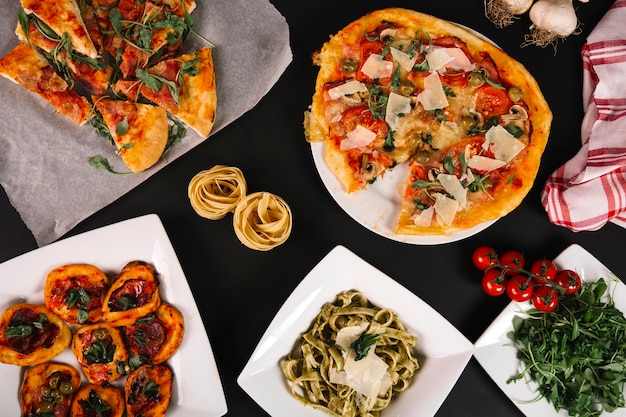
Italy is a culinary paradise, known for its rich flavors, diverse dishes, and centuries-old traditions. Whether you’re planning a trip to Italy or simply want to bring a bit of Italian magic into your kitchen, understanding the basics of Italian cuisine is essential. This Ultimate Italian Guide will take you through the must-try dishes, from iconic pizzas to indulgent pastas, and everything in between.
The Art of Pizza
When it comes to Italian cuisine, pizza is undoubtedly one of the most famous and beloved dishes. But Italian pizza goes far beyond the fast-food versions we’re accustomed to. The perfect pizza is an art form, featuring a crisp, yet chewy crust, simple but high-quality toppings, and a touch of olive oil.
The Pizza and Pasta culture in Italy varies by region. In Naples, the birthplace of pizza, you’ll find the classic Margherita: a beautiful blend of fresh tomatoes, mozzarella, basil, and olive oil. Its simplicity is what makes it extraordinary, allowing each ingredient to shine. In Rome, the pizzas are known for their thin, cracker-like crusts, while in Sicily, you’ll find thicker, heartier slices, often topped with a variety of local ingredients such as anchovies, olives, and capers.
Pasta: The Heart of Italian Cuisine
No Ultimate Italian Guide would be complete without delving into the world of pasta. Pasta is more than just food in Italy—it’s a way of life. Whether it’s a quick lunch or a Sunday family feast, pasta is a versatile dish that can be adapted to any occasion. With over 350 different types of pasta, from long and thin spaghetti to short and stubby penne, the possibilities are endless.
A key player in the world of Italian Food Essentials, pasta can be enjoyed in countless ways. Carbonara, hailing from Rome, combines pasta with eggs, pancetta, and Parmesan, creating a creamy and savory dish that’s hard to resist. Then there’s the indulgent lasagna, with its layers of rich ragù sauce, béchamel, and pasta sheets, making it a comfort food classic.
For a lighter option, try spaghetti aglio e olio, a dish that highlights the simplicity and elegance of Italian cooking. With just olive oil, garlic, and a sprinkle of red pepper flakes, this dish is as humble as it is delicious.
Antipasti: The Perfect Start
Before diving into your Pizza and Pasta masterpieces, Italian meals often start with antipasti, a selection of appetizers designed to stimulate the appetite. These small plates might include bruschetta, topped with juicy tomatoes, garlic, and basil, or prosciutto and melon, which perfectly balances the salty and sweet. Cheese and charcuterie boards also make frequent appearances, featuring regional cheeses like Pecorino and Parmigiano-Reggiano alongside a variety of cured meats.
Antipasti are essential in Italian dining, setting the stage for the larger dishes to follow and introducing the diner to the bold and fresh flavors that define Italian cuisine.
Risotto and Polenta: Beyond Pasta
While Pizza and Pasta often steal the spotlight, Italian cuisine is incredibly diverse. In the northern regions of Italy, dishes like risotto and polenta play starring roles. Risotto, made from arborio rice, is a creamy and rich dish, often flavored with saffron (as in the famous risotto alla Milanese) or mixed with mushrooms and truffles for a decadent touch.
Polenta, a dish made from cornmeal, is another northern specialty. It can be served creamy, like mashed potatoes, or allowed to set and then grilled or fried. Its mild flavor makes it the perfect base for hearty stews and braised meats, common in regions like Lombardy and Veneto.
Seafood Specialties
Coastal regions of Italy, especially in the south, offer a wealth of seafood dishes that are integral to Italian Food Essentials. From spaghetti alle vongole (spaghetti with clams) to zuppa di pesce (fish stew), the freshness and quality of the seafood elevate these dishes to something extraordinary. Sicilian seafood is particularly noteworthy, often featuring tuna, swordfish, and sardines, along with the island’s signature sweet-and-sour flavor combinations.
Comprehensive Italian Recipes
To master Italian cooking at home, having a selection of Comprehensive Italian Recipes is a must. Some key dishes that you should know how to prepare include:
– Tiramisu: The quintessential Italian dessert made with layers of coffee-soaked ladyfingers and mascarpone cheese, finished with a dusting of cocoa powder.
– Osso Buco: A traditional Milanese dish of braised veal shanks, typically served with a gremolata of lemon zest, garlic, and parsley, alongside risotto alla Milanese.
– Panzanella: A Tuscan bread salad that uses day-old bread, tomatoes, onions, and cucumbers, all tossed in a light vinaigrette.
– Pasta Puttanesca: A bold and briny pasta dish made with tomatoes, olives, capers, and anchovies, offering a punch of flavor with every bite.
These Comprehensive Italian Recipes reflect the essence of Italian cuisine: fresh, seasonal ingredients combined in a way that allows each element to shine without being overshadowed by unnecessary complexity.
Conclusion
Italian cuisine is a world of flavors waiting to be explored, from the simplest Pizza and Pasta dishes to the more elaborate risottos and stews. It’s a celebration of fresh ingredients, regional traditions, and the joy of cooking and sharing food with loved ones. This Ultimate Italian Guide has introduced you to some of the core elements of Italian cuisine, but the beauty of Italian food lies in its endless variety and ability to adapt to every palate.
So, whether you’re planning a family meal or simply want to indulge in a bit of Italian magic, these Italian Food Essentials will help you create memorable, delicious dishes every time. Buon Appetito!