
Japanese Food Menu Essentials: What to Include
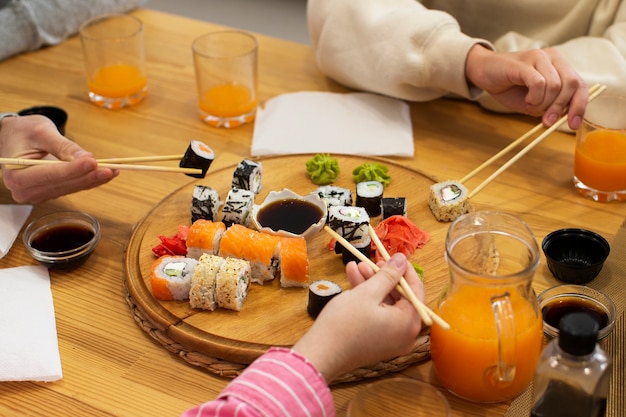
Creating a memorable Japanese food menu requires understanding and incorporating key elements that define the cuisine. A well-rounded menu not only showcases the rich flavors and textures of Japanese cooking but also ensures that each dish complements the others. Here’s a guide to Japanese menu essentials and how to curate a dining experience that is both authentic and delightful.
Core Japanese Foods to Include
When assembling a Japanese food menu, it’s essential to start with core Japanese foods. These staples form the foundation of Japanese cuisine and provide a balanced selection of flavors and textures. Here are some must-have components:
1. Rice: At the heart of most Japanese meals, rice is a staple that accompanies nearly every dish. Short-grain or sushi rice is preferred for its sticky texture, which pairs well with other dishes. Consider serving plain rice or making onigiri (rice balls) for a versatile addition to your menu.
2. Miso Soup: This classic soup is a cornerstone of Japanese cuisine. Made from a base of miso paste, it is typically enriched with tofu, seaweed, and sometimes vegetables. Miso soup is not only comforting but also provides a warm start to any meal.
3. Sashimi and Sushi: For a touch of elegance, include sashimi (fresh raw fish) and sushi (vinegared rice topped with fish or vegetables). These dishes highlight the freshness and quality of ingredients, offering a refined taste of Japanese cuisine.
4. Tempura: Lightly battered and deep-fried vegetables or seafood, tempura is a popular choice that adds a crispy texture to your menu. This dish is usually served with a dipping sauce and grated daikon radish.
Must-Have Japanese Dishes for a Balanced Menu
To create a well-rounded menu, incorporate a variety of must-have Japanese dishes that cater to different tastes and preferences. Here are some dishes to consider:
1. Teriyaki Chicken: A crowd-pleaser, teriyaki chicken features grilled chicken glazed with a sweet and savory teriyaki sauce. It pairs well with steamed rice and vegetables, making it a satisfying main course.
2. Yakitori: Skewered and grilled chicken pieces, yakitori are flavorful and versatile. You can use various cuts of chicken and season them with a simple soy-based sauce or salt.
3. Katsu: Katsu refers to breaded and fried cutlets, typically pork or chicken, served with a tangy sauce. This dish is a hearty addition to your menu and can be paired with rice and a side salad.
4. Noodles: Offer a noodle dish such as yakisoba (stir-fried noodles) or udon (thick wheat noodles in a savory broth). Noodles are filling and can be customized with vegetables, meat, or tofu.
Incorporate Essential Japanese Recipes
A successful Japanese menu also benefits from including a few essential Japanese recipes. These recipes not only enhance the meal experience but also provide a deeper understanding of Japanese culinary traditions:
1. Edamame: Steamed young soybeans, edamame are a light and nutritious appetizer. Simply sprinkle them with a bit of sea salt and serve warm.
2. Pickled Vegetables: Known as tsukemono, pickled vegetables add a tangy contrast to the other dishes on your menu. They come in various types, including cucumber, radish, and daikon.
3. Japanese Salad: Consider adding a Japanese salad featuring ingredients like seaweed, cucumber, and sesame seeds. Tossed with a light dressing of rice vinegar and soy sauce, it provides a refreshing and crisp complement to the meal.
4. Matcha Dessert: End the meal with a matcha dessert like green tea ice cream or mochi. The unique flavor of matcha adds a touch of sophistication to your menu and rounds out the dining experience.
Crafting a Cohesive Menu
When designing your Japanese food menu, aim for a balance between different flavors and textures. Combine savory, sweet, and umami elements to create a harmonious dining experience. Pay attention to the presentation, as Japanese cuisine often emphasizes aesthetics.
Incorporate a mix of Japanese menu essentials to cater to various tastes and dietary preferences. By including core Japanese foods, must-have Japanese dishes, and essential Japanese recipes, you ensure that your menu is both comprehensive and appealing.
Crafting a menu that highlights the best of Japanese cuisine is a rewarding endeavor. With these guidelines, you’ll be well on your way to creating a delightful and authentic Japanese dining experience that impresses and satisfies your guests.