
Why Red Cabbage Concentrate Is Gaining Attention in Natural Food Color Development
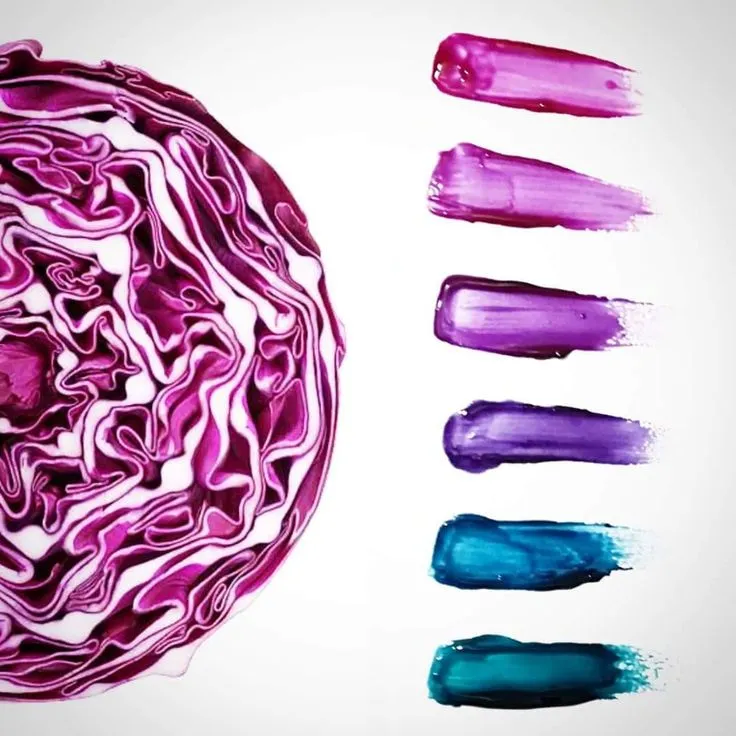
Food manufacturers are still searching for natural alternatives to impart attractive colors to contemporary products. An interesting source is red cabbage, as it can provide attractive red, purple and blue-toned color(s) under the appropriate formulation conditions. The red cabbage concentrate may thus be considered by product developers who are looking for natural color alternatives for drinks, candy, sauces and other foods.
Understanding Red Cabbage as a Color Source
The pigments found in red cabbage are naturally occurring and called anthocyanins. These pigments give much of the characteristic color to the vegetable and may be sensitive to its surroundings in the food system.
The color behavior of this vegetable is unique, especially when formulated. The appearance can differ depending on the food, its acidity and concentration. This attribute can be referred to by developers when trying out various visual outcomes on their products. Natural properties of the ingredient can be useful to consider when choosing an application.
Exploring Different Food Applications
Red cabbage color may be used in a variety of product categories where red, purple or other related colors are desirable. There is potential for it to be used in beverage formulations, in confectionery products, in sauces, in desserts, and in other foods.
The desired shade should always be taken into account in relation to the food matrix. The requirements of a beverage can may be different from those of a solid confectionery product, and an acidic formulation may yield a different visual effect than a more neutral confectionery formulation.
Application-specific testing can give manufacturers a better understanding of how the color develops in their specific formulation.
Why Formulation Conditions Matter
Depending on the ambient conditions in which the pigment is used, processed and stored, natural pigments may undergo interaction with their environment, which is the developer’s responsibility to consider during the development of a recipe. pH is particularly important if using anthocyanins as a source of color.
Other factors that affect the final product appearance include heat, light, processing time, and ingredient combinations. Taking these factors into account during the development process will enable manufacturers to understand the color’s behavior throughout the manufacturing process.
Small test runs help a lot for this work. They let shop teams check each item in real settings before big plant runs start.
Choosing the Right Color Intensity
The mix level rests on the final item and the look a buyer wants. Some goods need a soft, real tint. Different goods need a rich, dark hue.
Different concentrations can be used for testing purposes to compare the shades produced and decide which one is most appropriate for the product concept. This process can also set down guidelines for future production that can be used practically.
The use of a consistent testing method allows for easier sample comparison and record of the preferred formulation.
Consider the Ingredient Format
The format of a natural food colorant can influence how smoothly it fits into a particular manufacturing process. Strong liquid and powder types fit varied food builds, based on wetness, tool types, batch order, and full mix spread. Food makers test these points prior to choosing the best type for a recipe.
Trial runs using the selected form right on the shop floor bring real facts on hand work, blend ease, and final look. This practical approach helps development teams identify an option that fits both their formulation requirements and commercial production workflow.
Building a Reliable Color Development Process
The key to developing a good natural color is to understand the color and the food system in which it is intended to be used. Then the manufacturers can think about the characteristics of ingredients, processing conditions, concentration and application process.
Once production tests have established an appropriate method, teams can record the production information identified. This can be dosage, mixing conditions, processing temperatures, and other formulation data required to achieve the same look. This documentation can inform consistent production after a product is developed.
Conclusion
The red cabbage is an intriguing naturally occurring resource for food development of red, purple and related hues. Manufacturers can assess its potential for use in various formulations by taking into account pH, application, processing parameters, format of ingredients and desired intensity. When researching naturally derived color ingredients for a new food or beverage product, go to foodrgb.comto find solutions and go the extra mile with your color development.